
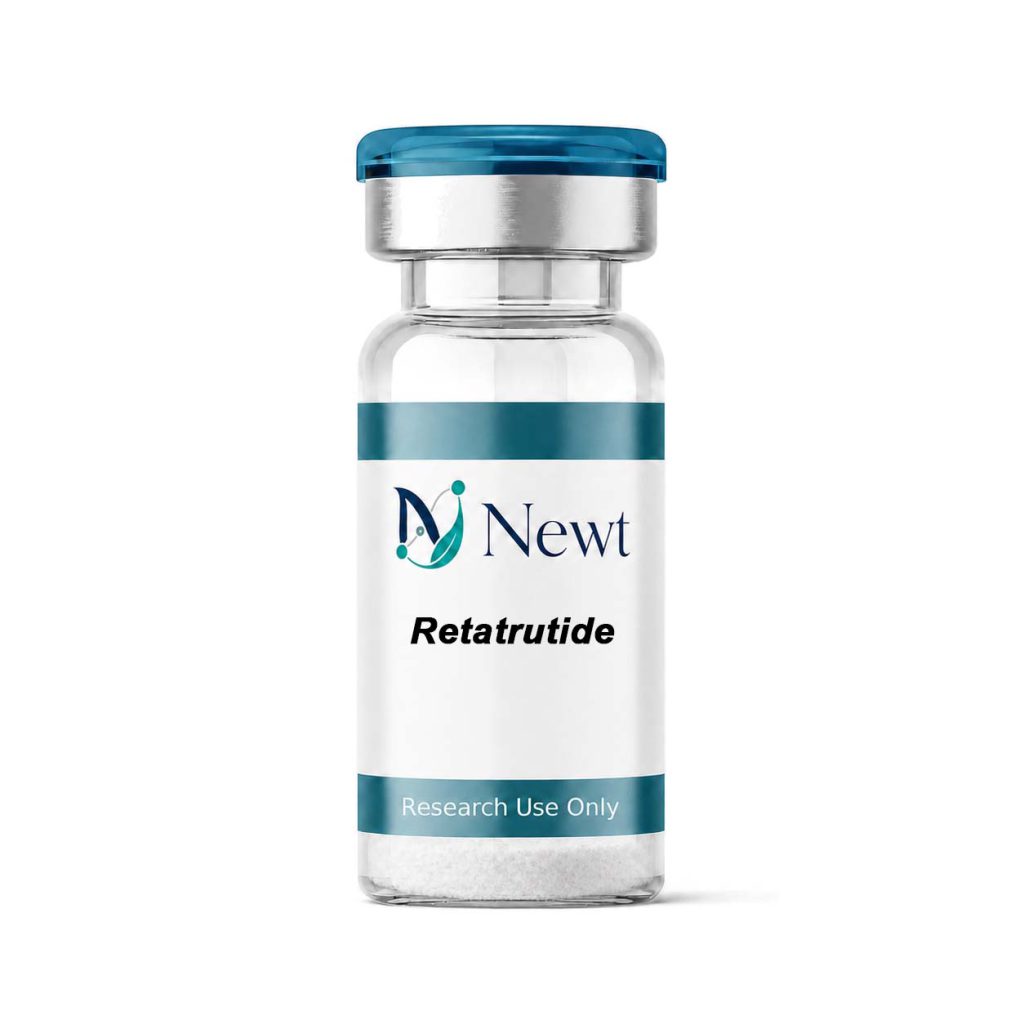
Dosage Schedule
| Cycle time | Amount per use | Frequency |
|---|---|---|
| Weeks 1–4 | 2 mg (2000 mcg) | Once weekly |
| Weeks 5–8 | 4 mg (4000 mcg) | Once weekly |
| Weeks 9–12 | 6 mg (6000 mcg) | Once weekly |
| Weeks 13+ | 8 mg (8000 mcg) | Once weekly |
Reconstitution Steps
- Use a sterile syringe to draw bacteriostatic water.
- Inject slowly down the side of the vial; avoid creating foam.
- Gently swirl or roll until dissolved (do not shake).
- Label with the date and refrigerate away from light at 2–8 °C (35.6–46.4 °F).
- Use within 4 weeks after reconstitution.
Injection Technique
Use this technique only when the product-specific approved label or authorized research protocol specifies subcutaneous administration and trained personnel are responsible for the procedure.
- Clean the vial stopper and the selected administration site with alcohol; allow both surfaces to dry completely.
- Pinch a small fold of skin and insert the needle into the subcutaneous tissue at a 45–90° angle.
- Do not aspirate during a subcutaneous injection; deliver the validated volume slowly and steadily.
- If the approved protocol specifies a volume greater than 1.0 mL, divide it between separate sites rather than using one site.
- Rotate sites systematically; commonly referenced subcutaneous sites include the abdomen, thigh and upper arm.
- Wait several seconds after delivery before withdrawing the needle to help ensure the complete validated volume is delivered.
- Discard the used syringe immediately in an approved sharps container; never recap or reuse it.
Supplies Needed
- Product vial (Retatrutide; use the selected labelled vial strength).
- U-100 insulin syringe (1 mL capacity) or the sterile administration device specified by the approved protocol.
- Validated diluent in the container size specified by the product label or authorized preparation method.
- Alcohol swabs and an approved sharps container—use a fresh swab for the vial stopper and each administration site.
Storage Instructions
Proper storage helps maintain product quality and stability. The supplied label, COA and product-specific validated method take precedence over these general handling rules.
- Unopened: Keep the vial sealed, dry and protected from light at the temperature stated on the supplied label; do not assume a universal shelf life.
- After preparation: Refrigerate at 2–8 °C (35.6–46.4 °F) unless the product-specific method states otherwise, and use only within its validated in-use period.
- Before opening a cold vial, allow the sealed container to equilibrate as required by the method so condensation does not enter the product.
- Long-term storage: Freeze or aliquot only when supported by product-specific stability data; avoid repeated freeze–thaw cycles and discard material with unexpected particles, discoloration or container damage.
How This Works
Retatrutide's distinctive mechanism arises from its triple-agonist design. By activating the GLP-1 and GIP receptors, it enhances glucose-dependent insulin secretion and suppresses appetite, similar to established incretin-based therapies. Its additional glucagon-receptor agonism may increase metabolic rate and energy expenditure, further supporting fat oxidation and weight reduction beyond GLP-1/GIP activity alone. The peptide is engineered with a fatty-acid moiety that prolongs circulation (an approximately six-day half-life), supporting once-weekly administration. Combined activation of these pathways can reduce caloric intake, increase satiety and enhance lipid oxidation, contributing to substantial weight reduction and glycemic control. Preclinical research indicates that increased glucagon activity may help counter the adaptive metabolic slowing that occurs during weight reduction. In essence, Retatrutide acts across three metabolic pathways at the same time, which may provide greater effects on blood glucose and body fat than single- or dual-agonist approaches.
Benefits & Side Effects
Observations from phase 2 human clinical trials.
Benefits
- Substantial weight reduction: Participants with obesity (without diabetes) achieved an average weight reduction of 22–24% after 48 weeks at 8–12 mg doses.
- Glycemic control: In participants with type 2 diabetes, 4–12 mg doses reduced HbA1c by 1.3–2.0 percentage points (from approximately 8.0% to approximately 6.0%); about 82% achieved an HbA1c of ≤6.5%.
- Cardiometabolic improvements: Reductions were observed in blood pressure, LDL cholesterol, waist circumference and liver-fat content; higher doses were associated with resolution of hepatic steatosis in more than 80% of participants.
- Broad response: 100% of participants receiving 8–12 mg achieved at least 5% weight reduction.
Side Effects & Evidence Limits
- Gastrointestinal symptoms: The most common adverse effects were mild-to-moderate nausea, vomiting and diarrhea, occurring primarily during dose escalation.
- Adverse effects were dose-related and generally transient; gradual titration at four-week intervals substantially reduced gastrointestinal discomfort compared with rapid dose escalation.
- No severe hypoglycemia or treatment-related serious adverse events were reported in the trials.
- The safety profile was comparable to that of GLP-1 receptor agonists when dose escalation was managed appropriately.